.png)
Paper jams are one of the most common — and frustrating — issues that printer users face. Whether you own an inkjet printer at home or manage a heavy-duty laser printer in the office, you've likely experienced that dreaded "paper jam" message. The good news is that paper jams are usually easy to fix if you know the proper steps to follow.
In this guide, we'll walk you through how to fix paper jams in any printer, step by step, and also share some tips to prevent them from happening in the future.
Why Do Paper Jams Happen?
Before learning how to fix a jammed printer, it's helpful to understand why jams occur in the first place. Some of the most common reasons include:
- Misaligned paper – If the paper isn't loaded correctly in the tray, the rollers may grab it unevenly.
- Overfilled paper tray – Adding too much paper often leads to sheets sticking together.
- Wrong paper type – Thick, glossy, or wrinkled paper can cause feeding issues.
- Dirty rollers – Dust and paper fibers on the rollers can make it harder for the printer to pull paper smoothly.
- Worn-out parts – Over time, rollers and internal gears can wear down, increasing the chance of jams.
Step-by-Step Guide to Fix a Paper Jam
Follow these steps carefully to clear a jammed printer without damaging the machine.
Step 1: Turn Off and Unplug the Printer
Always start by switching off the printer and unplugging it from the power source. This prevents accidental damage to moving parts and keeps you safe while working inside the printer.
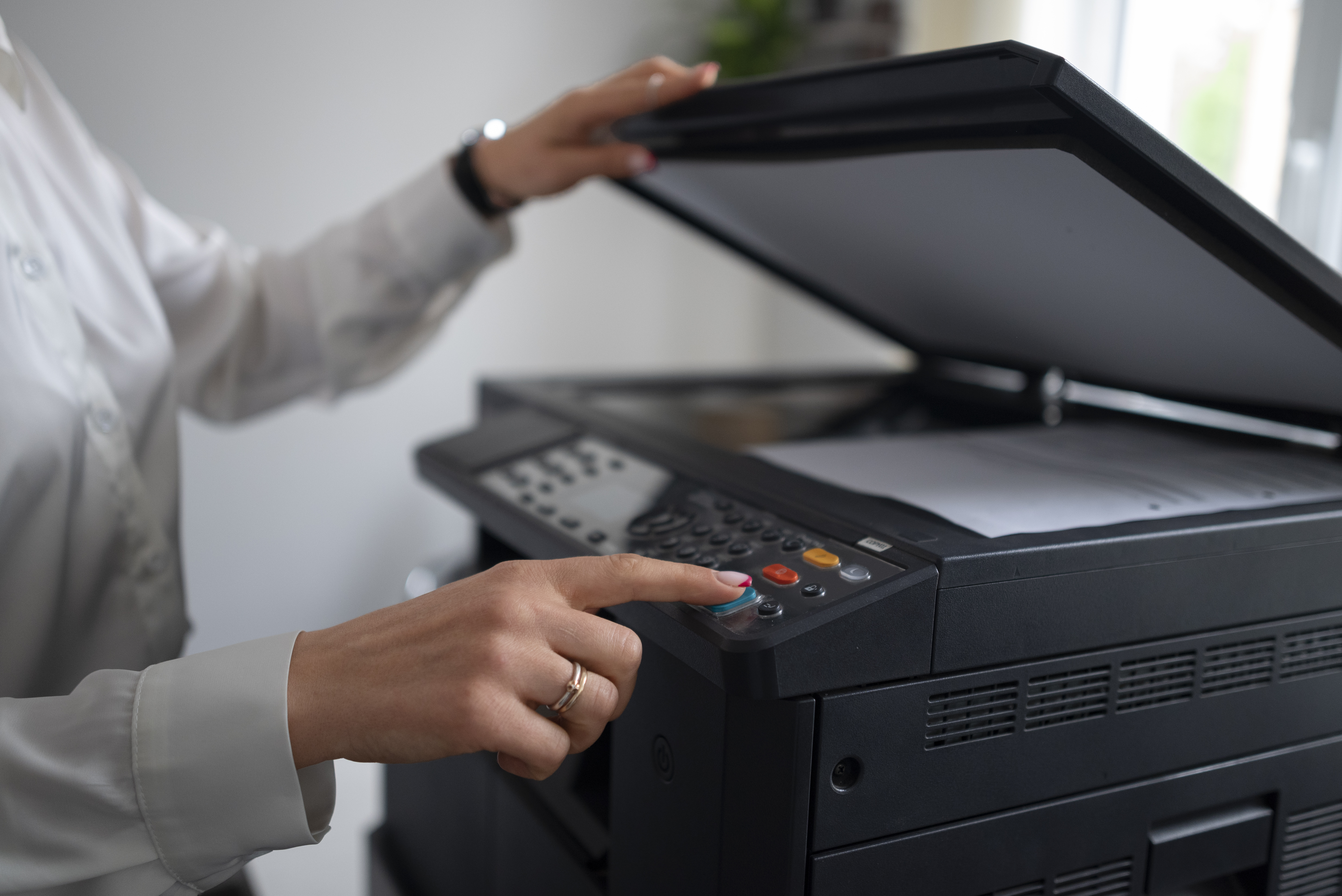
Step 2: Open the Printer's Access Panels
Locate the areas where paper usually travels:
- Input tray
- Output tray
- Cartridge/toner access area
- Rear panel or duplexer (if available)
Most printers have multiple access points, so check your user manual if you're not sure where to look.
Step 3: Gently Remove Jammed Paper
Carefully inspect the printer for stuck paper. Always pull the paper in the direction of the paper path — never yank it backward, as this can damage the rollers or tear the sheet, leaving pieces behind.
If the sheet is stuck and tears, check carefully for small scraps of paper and remove them. Even tiny fragments can cause future jams.
Step 4: Remove the Paper Tray and Cartridges (If Necessary)
Sometimes you'll need to remove the paper tray or toner/ink cartridges to access hidden jammed sheets. Handle cartridges gently and place them on a clean surface to avoid damage.
Step 5: Check the Rear Panel or Duplexer
If your printer has a rear panel or duplex unit (for double-sided printing), open it and inspect for jams. This is a shared place where crumpled sheets get stuck.
Step 6: Check and Clean the Rollers
The rollers are responsible for pulling paper through the printer. If they are dirty or worn, they may cause jams. Use a lint-free cloth lightly dampened with water to clean them. Rotate the rollers manually to clean all sides.
Step 7: Reload Paper Correctly
Before powering the printer back on, reload the tray with clean, dry, and properly aligned paper. Make sure:
- The paper is not curled, damp, or damaged.
- You do not exceed the maximum paper limit marked on the tray.
- The paper guides are snug against the stack but not too tight.
Step 8: Power On and Test Print
Plug the printer back in, power it on, and run a test print to ensure the jam is fully cleared. If you still see an error message, recheck all access panels for missed scraps of paper.
Tips to Prevent Future Paper Jams
While jams can't always be avoided, these tips will reduce the likelihood:
- Use the correct paper type – Always check your printer's specifications for supported paper sizes and weights.
- Store paper properly – Keep it in a dry place to prevent moisture, which can make sheets stick together.
- Fan paper before loading – This helps prevent pages from sticking together.
- Avoid mixing paper types – Don't load different types or sizes of paper at the same time.
- Clean rollers regularly – A quick wipe every few months can extend your printer's life.
- Replace worn rollers – If jams become frequent, the rollers may need replacement.
- Don't overload the tray – Stick to the recommended sheet capacity.
When to Call a Professional
If you've followed all the steps and your printer continues to jam frequently, it might be time to seek professional help. Persistent jams could indicate:
- Worn or damaged rollers
- Internal hardware issues
- Problems with sensors or gears
In such cases, contacting your printer manufacturer's support team or a certified technician is the best solution.
Final Thoughts
Paper jams can be annoying, but they don't have to ruin your workflow. By staying calm, following the proper steps, and keeping up with simple maintenance, you can clear most jams quickly and prevent them from happening again.
Remember: treat your printer gently, use quality paper, and perform regular cleaning. These small habits go a long way in ensuring smooth, jam-free printing.
Was this article helpful?
.png)
.png)
_1728455153.png)